
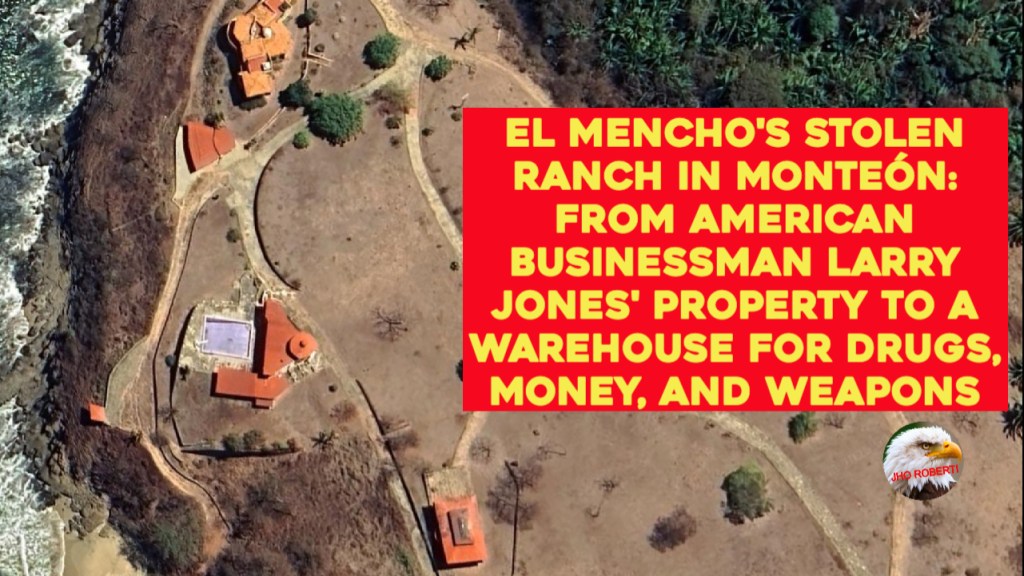
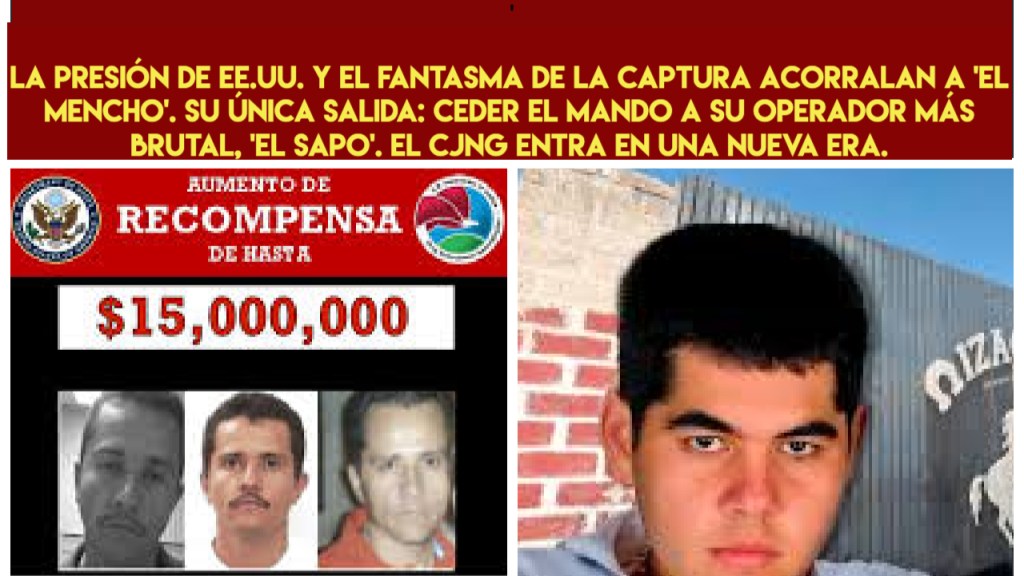
On the coast of Nayarit, near the exclusive Mandarina development, lies the town of Monteón, a paradisiacal place that hides one of the best-kept secrets of Mexican drug trafficking. According to investigations and testimonies gathered, this location harbors one of the safest hideouts of Nemesio Oseguera Cervantes, alias El Mencho, leader of the Jalisco New Generation Cartel (CJNG). It is a high-value ranch, stolen from American citizen Larry Jones, which now serves as a strategic center for storing cash, drugs, and weapons.

The story behind this ranch is as complex as it is dark. Larry Jones, a retired businessman from North Carolina, was the legitimate owner of the property, valued at several million dollars. However, Jones never intended to sell it, despite persistent purchase offers from Juan Bremer and Ricardo Santacruz, owners of the Mandarina development and key figures in the CJNG’s money-laundering network. With the complicity of these operatives, El Mencho orchestrated a plan to strip Jones of his property.

Jones was subjected to intense pressure, including threats and acts of intimidation, until he finally gave in. Once in the hands of the cartel, the ranch became a key hub for CJNG operations in the region. Its location in Monteón, near the beach and adjacent to the luxurious Mandarina development, makes it an ideal refuge for the criminal leader, who has managed to evade capture for years.

Strategic Location: Drug Receiving and Safe Escape
Jones’ ranch is not just a hideout but also a strategic point for the CJNG. Its proximity to the coast facilitates the reception of drug shipments from the Pacific, while its multiple access and exit routes allow El Mencho and his associates to escape quickly in the event of military or police operations. Additionally, the ranch has discreet areas for high-level meetings, where cartel operations are planned, and money-laundering activities are coordinated.
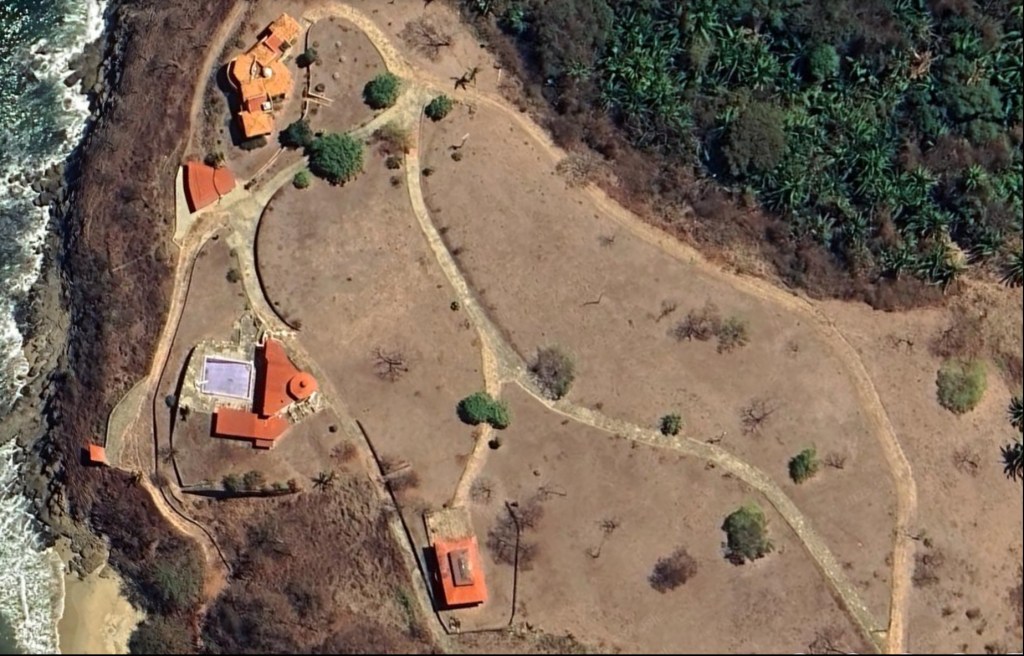
Beyond serving as a personal hideout for El Mencho, the ranch also functions as a logistical center for the cartel. Evidence of large amounts of cash, drugs such as methamphetamine, fentanyl, and cocaine, and a stockpile of high-powered weapons has been found on the premises. The property, once a peaceful and productive place, is now a symbol of the CJNG’s power and impunity.
This case not only reveals the audacity of El Mencho and his organization but also the complicity of local and federal actors and the vulnerability of foreigners like Larry Jones, who have become collateral victims of organized crime in Mexico.

Moreover, the ranch is guarded by a highly secure perimeter, composed of El Mencho’s trusted men and equipped with advanced surveillance technology. This protection operation ensures that the CJNG leader and his associates remain shielded at all times. But the ranch is not just a refuge; it is also a key meeting point for the cartel’s regional bosses. Among the frequent attendees of these meetings is Alicia Monroy, known as the «mafia boss of Compostela» and one of the CJNG’s primary money launderers in the region.
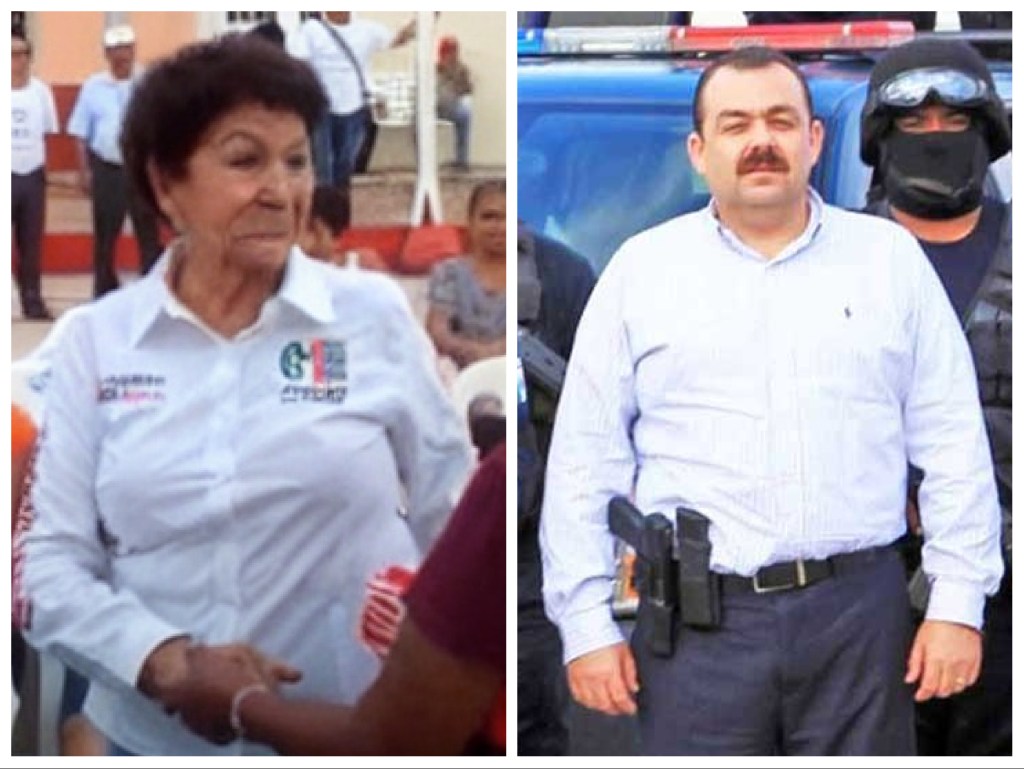
Alicia Monroy, mother-in-law of former narcotics prosecutor Edgar Veytia, is not only responsible for moving millions of dollars from drug trafficking but also acts as El Mencho’s protector in the area, ensuring that the cartel’s operations remain under control and out of reach of the authorities. Her presence at the ranch during these strategic meetings underscores the importance of this location as a nerve center for the CJNG’s most critical decisions.
Larry Jones, a retired businessman from North Carolina, had invested millions of dollars in the Nayarit coast, seeking a tranquil retreat to enjoy his retirement. Among his most valuable properties were the ranch in Monteón and an exclusive estate in Rincón de Guayabitos, a tourist destination known for its beaches and relaxed atmosphere. However, what seemed like a dream turned into a nightmare when organized crime set its sights on his land.
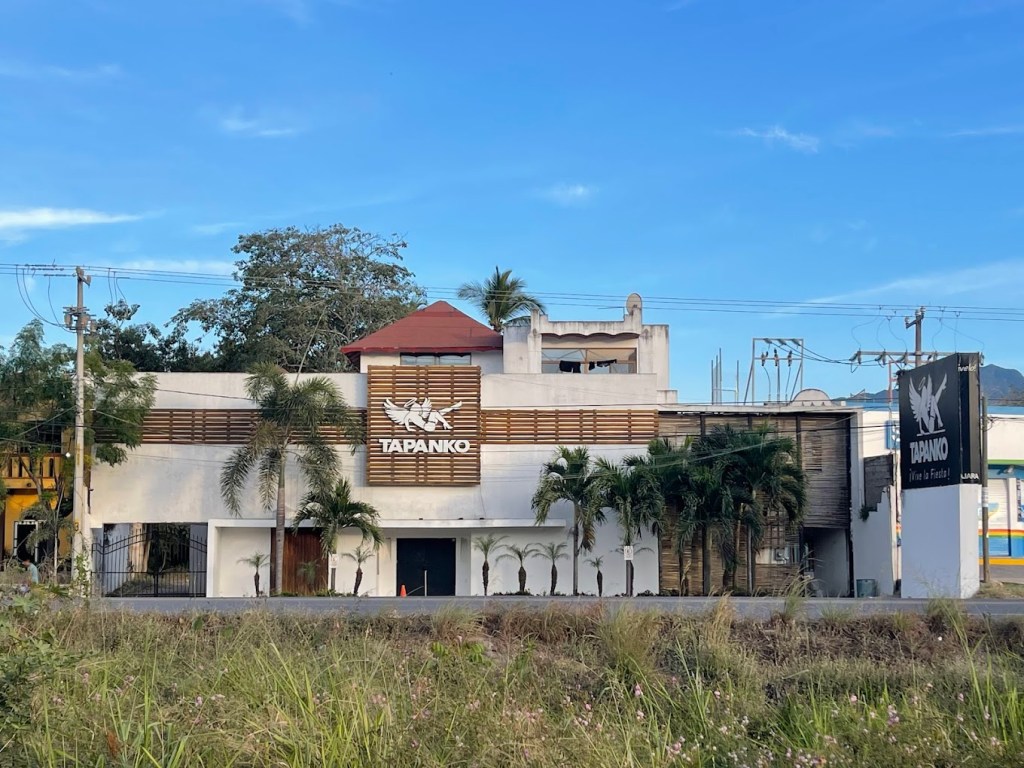
The property in Rincón de Guayabitos was violently and arbitrarily seized by members of organized crime, who turned it into a nightclub called El Tapanco. This place, once a private and peaceful space, is now a gathering spot for parties and events controlled by the cartel. The seizure of this property not only represents an economic loss for Jones but also another example of how organized crime has taken over others’ assets to finance and expand its illicit operations.
This article has been shared with national and international media outlets, and submitted to the DEA, FBI, U.S. Department of State, RCMP, and other American and Canadian authorities
Feel free to contact the author for any clarifications


 ROBERTI news
Deja un comentario