

Military Corruption and El Mencho’s Business Empire: An Analysis of Institutional Complicity
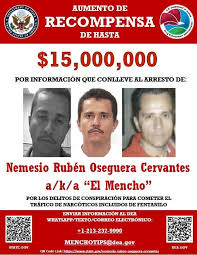
Nemesio Oseguera Cervantes, alias “El Mencho,” is one of the most wanted drug lords in the world and the undisputed leader of the Jalisco New Generation Cartel (CJNG). Despite his notoriety, his criminal operations — which include drug landings and the use of sophisticated infrastructure such as submarines and safehouses — appear to function with the complicity of certain military and government institutions.
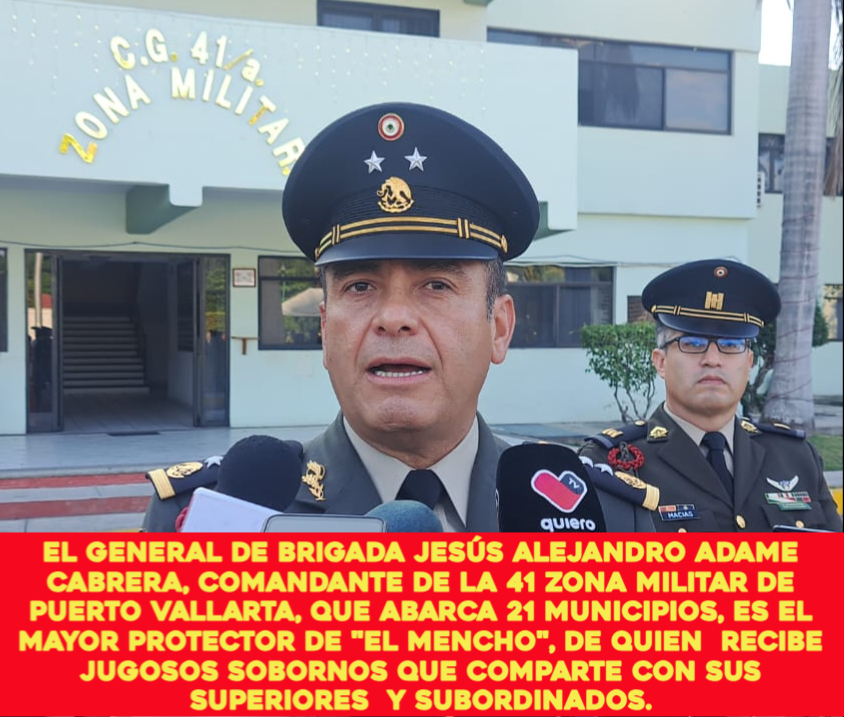
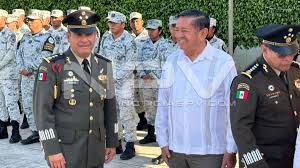
This article examines how this spiral of corruption is led, among others, by Brigadier General Jesús Alejandro Adame Cabrera, commander of the 41st Military Zone in Puerto Vallarta, who acts as a protector and enabler of El Mencho’s operations.
Along the coasts of Jalisco and Nayarit, the CJNG has established strategic points for drug trafficking, turning them into entry gates for maritime shipments.
Particularly in Bahía de Banderas, operations involve the use of submarines transporting drugs through canals in Nuevo Vallarta. In addition, multiple safehouses have been identified as bases for these illicit activities — some located within residential developments like Fluvial Vallarta, just a few hundred meters from facilities belonging to the Mexican Navy.
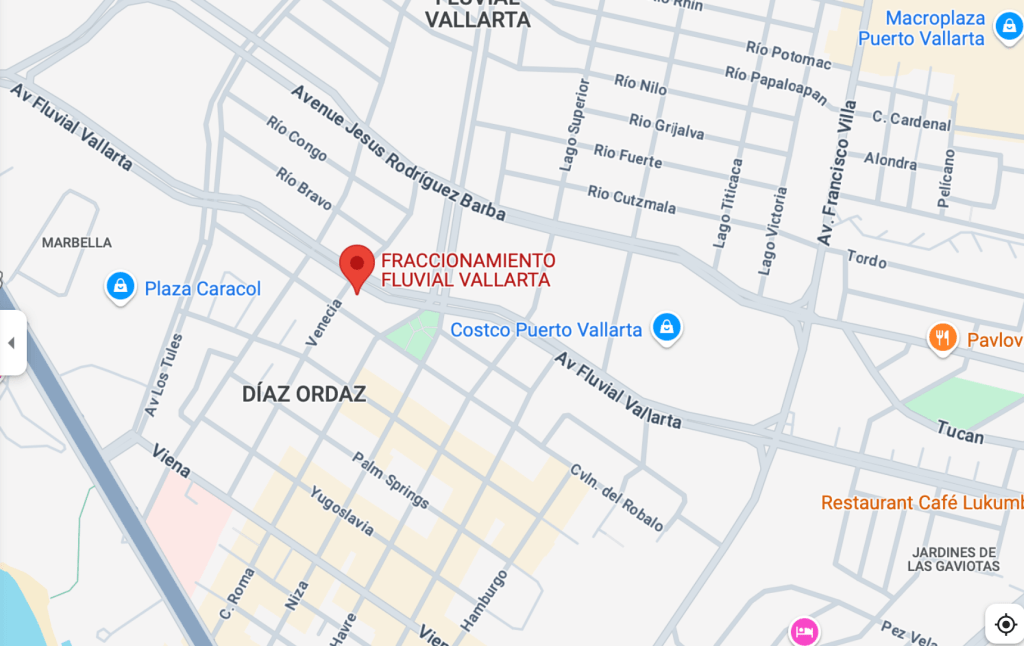
The Fluvial Vallarta development is a striking example of this complicity. Located in Puerto Vallarta and surrounded by federal forces, this residential complex has been identified as one of El Mencho’s frequent hideouts.
The close proximity between security forces and the environment in which the CJNG operates highlights the inaction of those who are supposed to uphold the law.
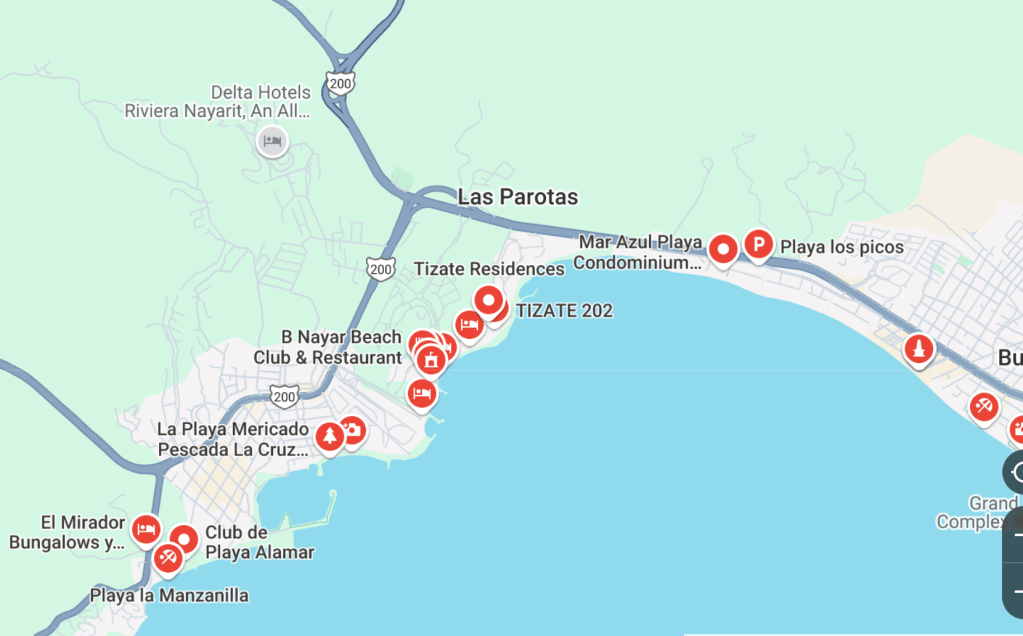
Playa del Tizate, in the state of Nayarit, is one of El Mencho’s preferred locations for offloading drugs from ships arriving offshore. To carry this out, he relies on Otoniel and his fleet of fast boats, which are tasked with transporting the cargo from El Mencho’s safehouses.
This raises a critical question:
Where is the Mexican Navy, whose duty it is to control and prevent these illicit activities?
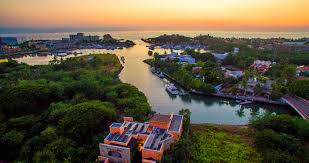
The canals of Nuevo Vallarta are just one of the many locations where El Mencho operates safehouses, as part of a clandestine and unprecedented operation in the region. Recently, it was reported that El Mencho received a submarine to transport large quantities of drugs from the South.
However, it is deeply concerning to ask:
Where is the Mexican Navy in all of this?
An operation of this scale and sophistication could not possibly take place without complicity.
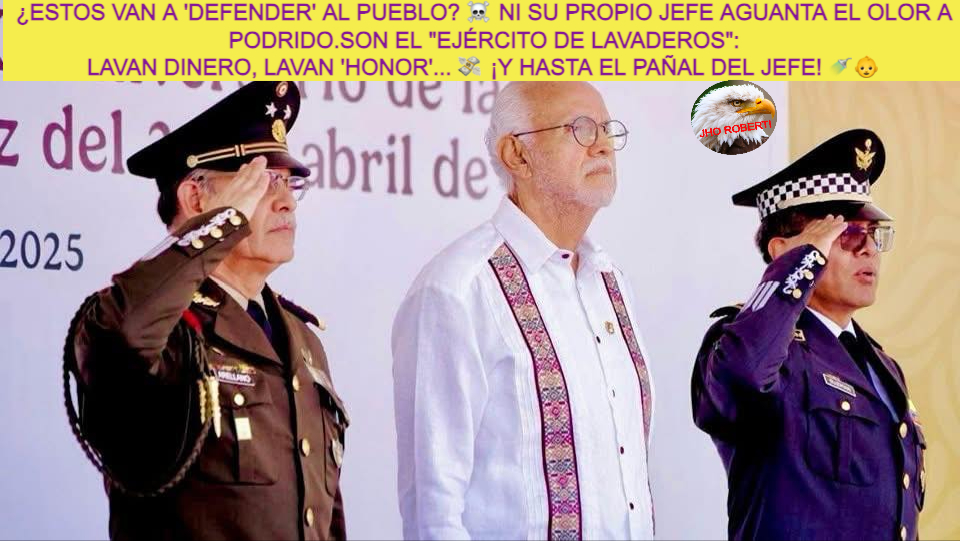
«ACCOMPLICES TO TERROR IN NAYARIT:
GOVERNOR AND MILITARY COMMANDERS PROTECT COASTAL CRIMINALS – INCLUDING THOSE WHO STEAL PROPERTY FROM AMERICANS»
Leaked documents and confidential testimonies reveal the protection network operating in Nayarit: military commanders and state authorities shield criminal groups that steal property (including from American citizens), murder, and traffic drugs along the coastal region.
The governor has been linked to this mafia-like structure, where cartels operate with impunity thanks to million-dollar payouts and shadowy agreements. While communities bury their dead, the perpetrators enjoy institutional protection.
This is Narco Nayarit: a state where political and military power was sold to organized crime.
Conclusion:
The fight against organized crime requires more than just police efforts; it demands a structural overhaul in how institutions operate and are held accountable.
As long as figures like El Mencho are able to act freely thanks to the support of key individuals within the armed forces, any progress will be limited and superficial.
Al final, la verdadera seguridad no vendrá únicamente con la captura de un criminal, sino con la restauración de la integridad en las instituciones encargadas de combatirlo. El caso de Jesús Alejandro Adame Cabrera es un símbolo de la urgente necesidad de enfrentar la corrupción en todos los niveles para garantizar justicia y seguridad para todos.


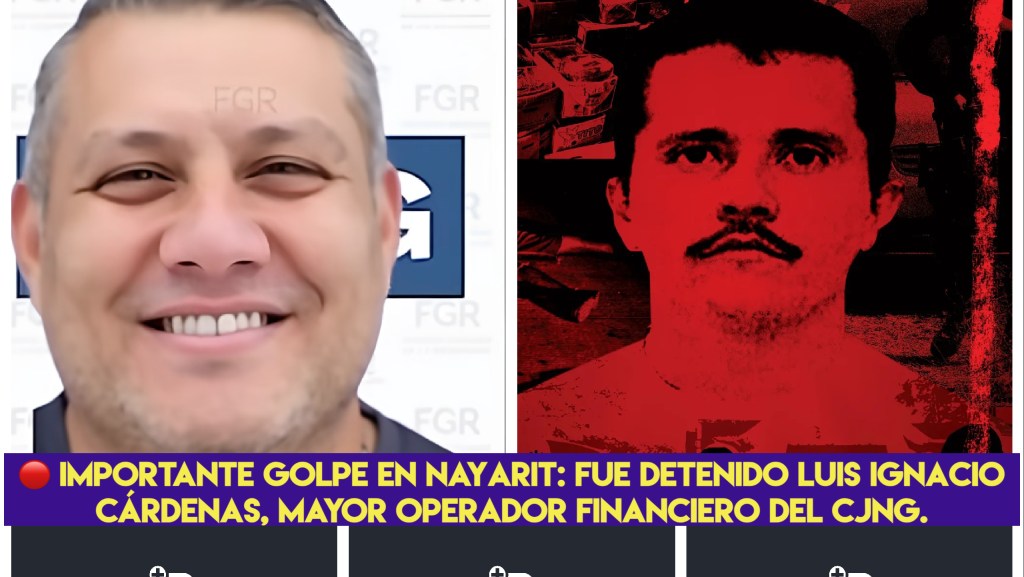
 ROBERTI news
Deja un comentario